What Is a Cutaway Training Lock (And Do You Need One)?
Back to Guides & Blogs
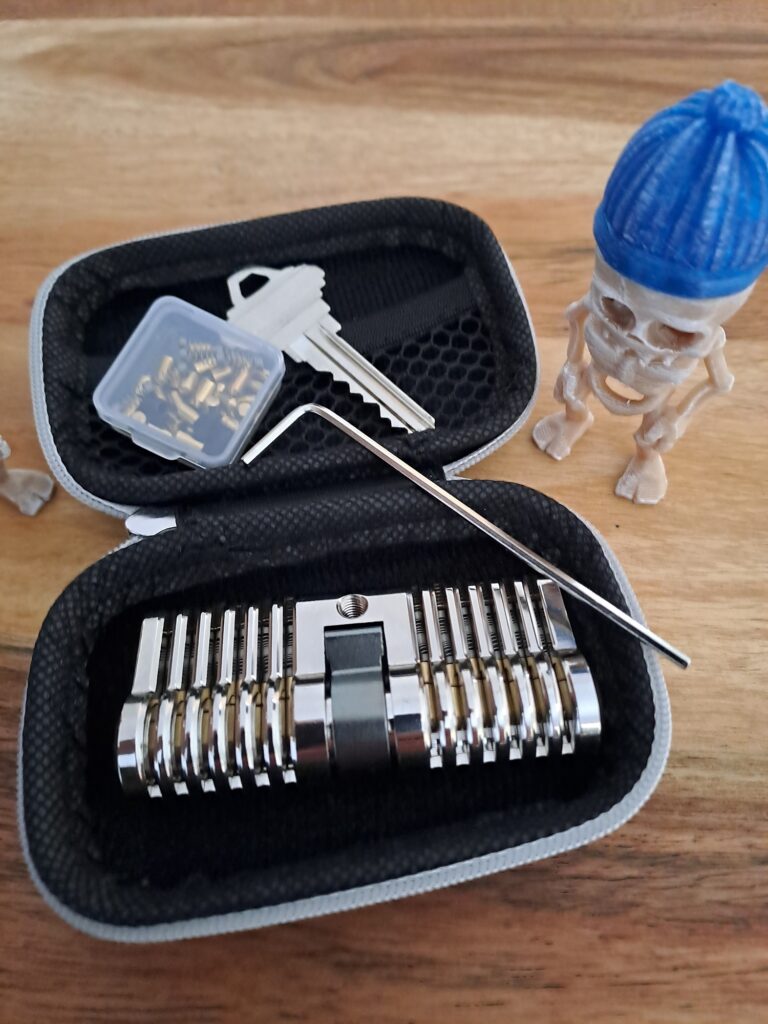
Short answer: A cutaway training lock is a real pin tumbler lock with part of the housing cut away so you can see the pins, springs, and shear line while you pick it. Instead of guessing what’s happening inside a sealed lock, you can watch each pin lift, bind, and set in real time, which makes it one of the fastest ways to actually understand lock picking rather than just memorising motions. If you’re serious about learning properly (rather than getting lucky with a rake), a cutaway lock is one of the best purchases you can make.
What Makes a Cutaway Lock Different from a Normal Training Lock?
Any lock can technically be a “training lock” if you have permission to pick it, but a cutaway takes it further by physically removing part of the housing (usually a side panel) so the internals are visible. You can see:
- Each pin stack (key pin, driver pin, spring) sitting in its chamber
- Which pins are binding under tension at any moment
- The exact shear line and how far a pin needs to travel to set
- What “overset” looks like when you apply too much tension and push a pin past the shear line
This turns picking from a purely blind, feel-based skill into something you can watch and correlate with what you’re feeling through the pick and tension tool, which shortens the learning curve significantly.
Do You Actually Need One?
You don’t need one to learn to pick locks. Plenty of pickers learn on sealed practice locks. But a cutaway solves the single biggest problem beginners have: not knowing whether what they’re feeling matches what’s actually happening inside the lock. Watching a pin set as you feel it set is a genuinely different (and faster) way to learn than feel alone.
A cutaway is especially worth it if:
- You’re new and want to understand binding order and feedback properly, not just get lucky with raking
- You’re troubleshooting a specific technique that isn’t working and want to see why
- You want to understand security pins (spools, serrated) by watching false sets happen visually
It’s less essential if: you’re an experienced picker who already has a strong feel for binding order and just wants more practice locks and profiles to work through.
What to Look for in a Cutaway Training Lock
- Standard pin tumbler mechanism, so what you learn transfers directly to real-world locks, not a novelty mechanism
- Clear view of the shear line. The cutaway needs to actually show the part that matters, not just the outside of the cylinder
- Adjustable or replaceable pins, ideally, so you can progress from standard pins to security pins (spools, serrated) as you improve
The Bare Bones Pin Tumbler Cutaway Training Lock is built around exactly this: a genuine pin tumbler mechanism with the housing cut away so you can watch pins bind and set while you practise, and a keyway suited to Australian-style thicknesses. For a European-style keyway, the Scandinavian Oval 7-Pin Training Lock is a good complement, since it lets you practise narrower keyways with 15thou picks.
Getting the Most Out of a Cutaway Lock
- Start by applying tension and simply watching what happens without trying to pick anything. Get a feel for how much a pin needs to move to bind.
- Practise single pin picking first, watching each pin set as you feel it. Don’t rake yet.
- Once you’re consistent, try deliberately oversetting a pin (too much tension) so you can see and feel what that mistake looks like.
- Once fundamentals feel solid, move to raking on the same lock and watch how multiple pins respond to the raking motion at once.
Browse Bare Bones training locks and picks →
Frequently Asked Questions
Is a cutaway lock the same as a practice lock?
Not quite. Any lock you have permission to pick can be a “practice lock,” but a cutaway specifically has part of its housing removed so you can see the pins and shear line while picking, rather than working entirely blind.
Will skills learned on a cutaway lock transfer to real locks?
Yes, provided the cutaway uses a genuine pin tumbler mechanism (as opposed to a novelty or simplified mechanism). Binding order, tension feel, and pin behaviour are the same principles at work in both.
What’s the difference between overset and binding?
Binding is when a pin is under pressure from tension and hasn’t yet reached the shear line, the point you’re aiming for. Overset is when too much tension pushes a pin past the shear line, which can prevent the lock from opening even though the pin has technically “moved enough.” A cutaway lock lets you see this happen instead of just feeling a confusing result.
Do I need a cutaway lock if I’m already an experienced picker?
Not essential, but still useful, particularly for troubleshooting a specific technique that isn’t working, or for visually understanding security pin behaviour (spools, serrated pins) if you’re moving into more advanced locks.
What keyway thickness should I use with a cutaway training lock?
It depends on the lock. Bare Bones’ Pin Tumbler Cutaway Training Lock suits standard Australian thicknesses (23thou), while the Scandinavian Oval training lock is suited to narrower European-style keyways using 15thou picks. Our thickness guide covers this in detail.